
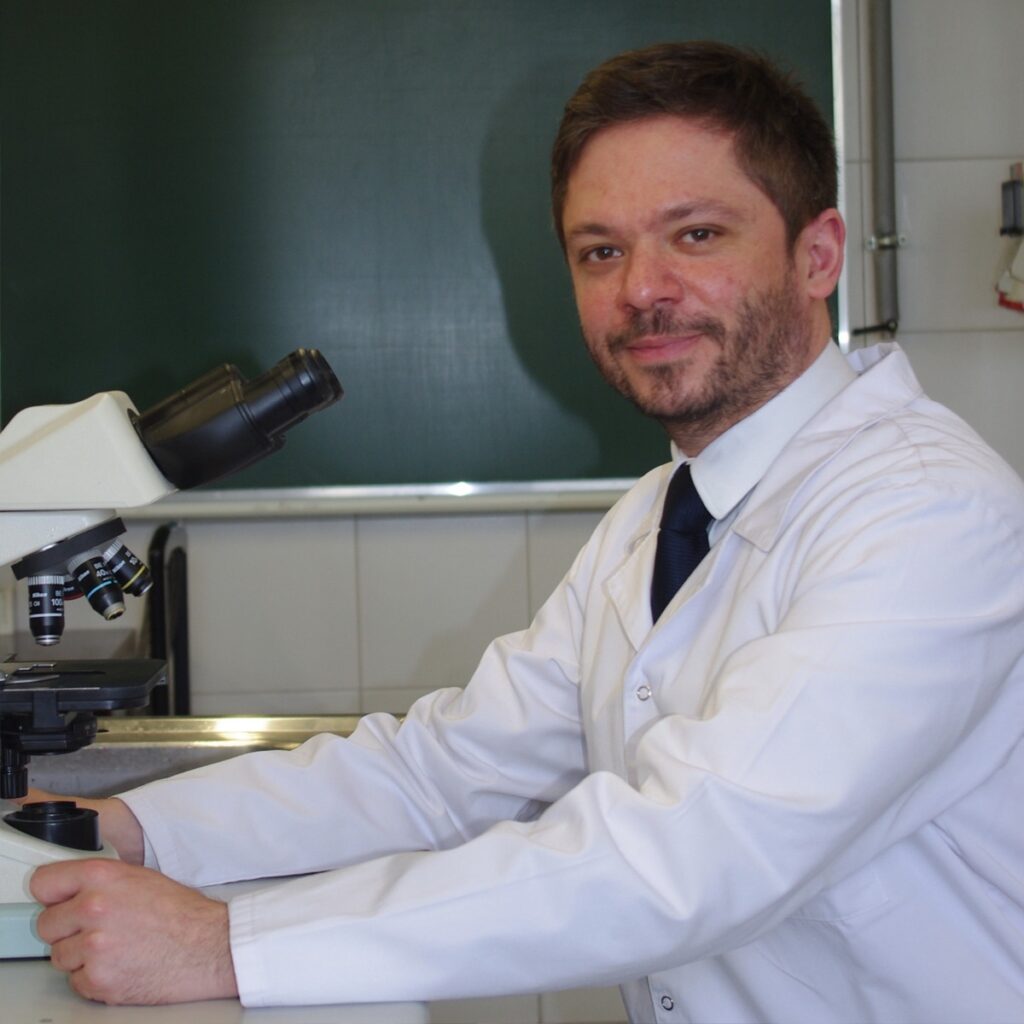
prof. dr hab. inż. Paweł Satora (University of Agriculture in Kraków)
Prof. Paweł Satora graduated from the Faculty of Food Technology of the University of Agriculture in Krakow.
Since September 2014, he has been the head of the Department of Fermentation Technology and Microbiology at the University of Agriculture in Krakow.
His research work is mainly related to food biotechnology and microbiology, especially fermentation technology (brewing, winemaking, spirits production), spontaneous fermentation, non-alcoholic beverages production as well as biotransformation of aroma compounds. In his research, he uses the latest techniques such as liquid and gas chromatography, spectrophotometry and molecular biology techniques (PCR-RAPD and -RFLP, Sanger sequencing, NGS).
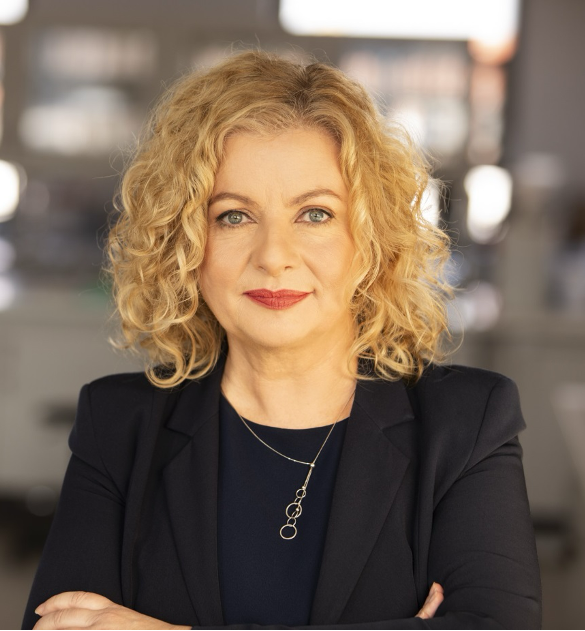
prof. dr hab. inż. Joanna Kawa-Rygielska (Wrocław University of Environmental and Life Sciences)
Prof. Joanna Kawa-Rygielska works at the Faculty of Biotechnology and Food Sciences at the Wrocław University of Life Sciences. Since 2016, she has been the head of the Department of Fermentation Technology and Cereals. She is the originator and head of the postgraduate studies in Brewing Technology, carried out in cooperation with industry at the Wrocław University of Environmental and Life Sciences, as well as the creator of the Good Beer Academy project, a nation-wide beer competition for breweries as well as homebrewers. She has many years of experience in scientific research and teaching related to fermentation process technology, particularly in the fields of distilling, brewing, yeast, malt, and the valorization of brewing industry by-products.
She has repeatedly represented the Wrocław center as a co-organizer and lecturer at the Polish Brewing Congress and the Autumn Brewing Workshops. She initiated extensive cooperation between the Wrocław center and the business community in the implementation of teaching and research projects in the field of brewing technology. She is the author of numerous expert opinions, opinions on innovation, scientific articles, and lectures related to malting, brewing, and yeast technology. For many years, she has been an expert/member of the jury at the INTARG international economic innovation fair.
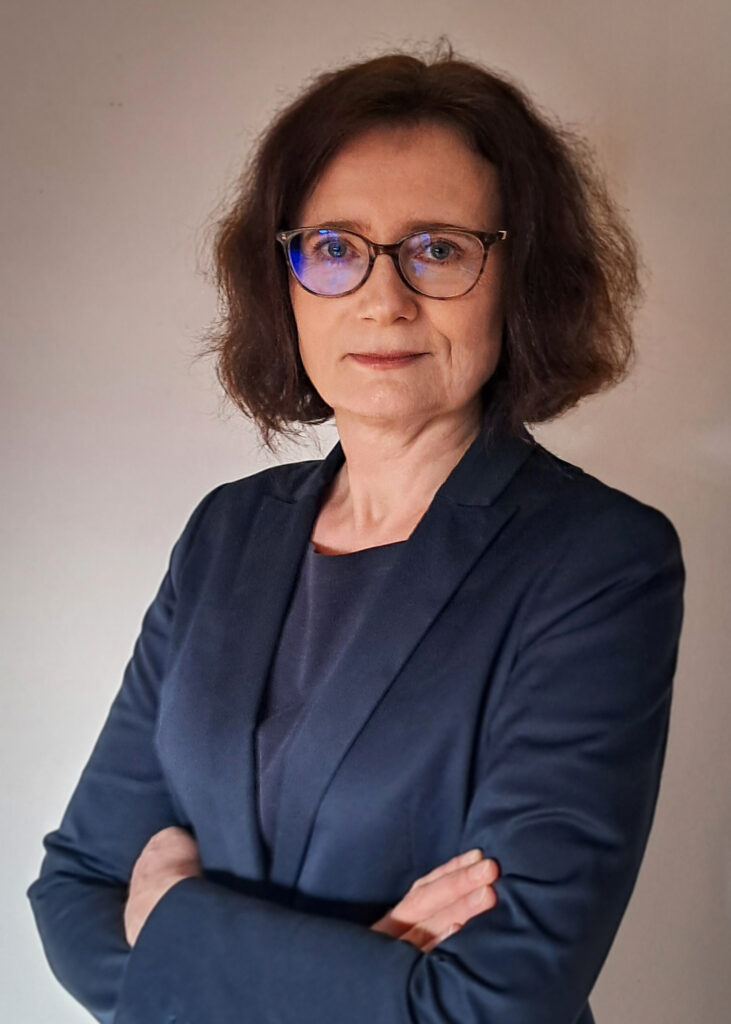
dr hab inż. Edyta Kordialik-Bogacka (Łódź University of Technology)
Edyta Kordialik-Bogacka is a Professor at the Lodz University of Technology, Faculty of Biotechnology and Food Sciences, Institute of Fermentation Technology and Microbiology. She specializes in fermentation technology and brewing science.
She obtained her PhD for her research on the foaming properties of Saccharomyces cerevisiae and was later awarded the degree of habilitated doctor (DSc) for work on the environmental applications of spent brewing yeast. Her research has also addressed beer foam stability, brewing yeast physiology, and the use of unmalted starchy raw materials, including oats and pseudocereals such as quinoa and amaranth, in brewing.
Currently, her scientific interests focus on the development of innovative non-alcoholic fermented beverages, particularly non-alcoholic beers and kombucha. She also investigates the application of botanical substances and coffee processing by-products as sustainable substrates for fermented beverage production.
In the last three years, she has served as the R&D project leader of two industry-oriented projects focused on the implementation of novel kombucha and non-alcoholic gruit-type beer technologies funded by the National Centre for Research and Development.
She is a member of the Brewing Science Group of the European Brewery Convention and serves as Section Editor (Brewing) for Przemysł Fermentacyjny i Owocowo-Warzywny and Kvasný Průmysl.
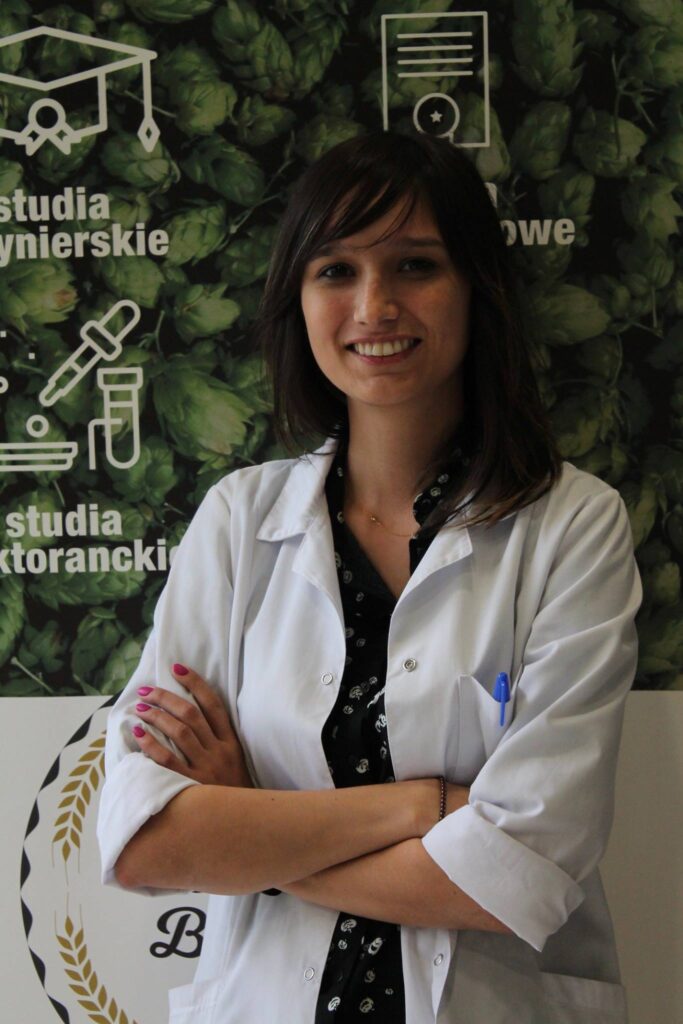
dr inż. Aneta Pater (University of Agriculture in Kraków)
Aneta Pater, PhD, graduated from the Faculty of Food Technology at the University of Agriculture in Krakow. She received her doctoral degree in Agricultural Sciences in the field of Food Technology and Human Nutrition in 2022. Her doctoral thesis, entitled “Application of Plasma-Treated Water in the Brewing Industry,” focused on innovative approaches to improving fermentation processes.
Since 2021, she has been employed as an Assistant Professor at the Department of Fermentation Technology and Microbiology of the University of Agriculture in Krakow. Her research activity is mainly related to brewing technology, particularly the production of low- and non-alcoholic beers, the use of non-conventional yeasts, hop-derived aroma biotransformation, and optimization of fermentation processes. In her research, she applies advanced analytical techniques such as gas and liquid chromatography (GC-MS, HPLC), gas chromatography–olfactometry (GC-O), spectrophotometry, and sensory analysis methods.
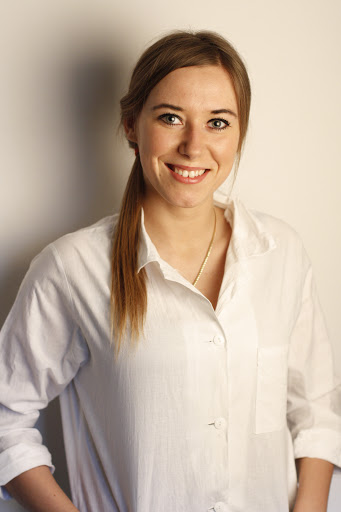
dr inż. Magdalena Januszek (University of Agriculture in Kraków)
Magdalena Januszek, PhD, who is currently an assistant professor. She graduated from the Faculty of Food Technology at the University of Agriculture in Krakow. Her doctoral thesis was titled 'The impact of various technological treatments on the chemical composition and volatile profile of apple distillates’. In 2017 and 2018, she actively participated in the SPIN project: Małopolska Knowledge Transfer Centres, which was implemented by the Małopolska Biotechnology Centre at Jagiellonian University in Krakow. As part of the project, she collaborated with companies from various sectors of the food industry. Her scientific expertise lies primarily in fermentation processes, particularly in the production of low- and non-alcoholic beverages. In her research, she uses advanced analytical techniques such as gas and liquid chromatography, gas chromatography-olfactometry, and sensory analysis.